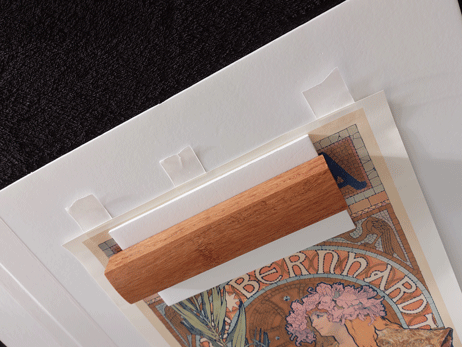
This is an important step in positioning your art so it sits in the right position and allows your artwork to sit upright when hanging.
1. Wash your hands with soap so that you remove any dirt or oils that may stain your frame or artwork.
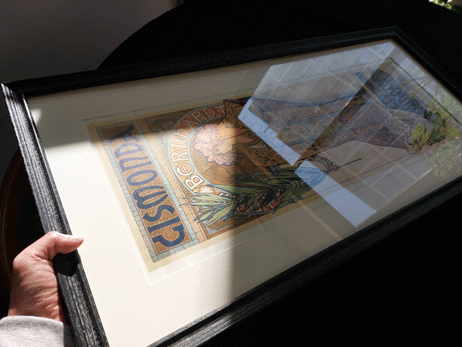
2. Gently take out your frame from the packaging and place it on a flat surface with the glazing facing down.
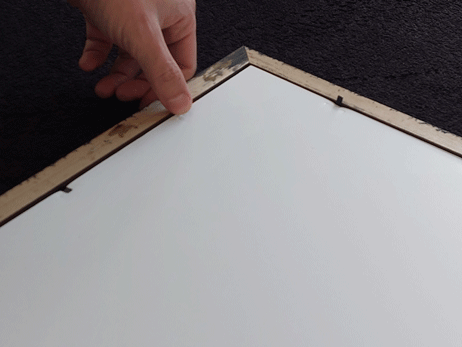
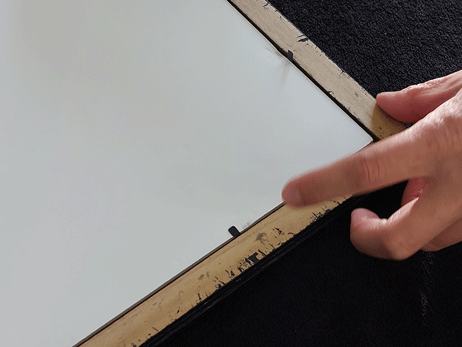
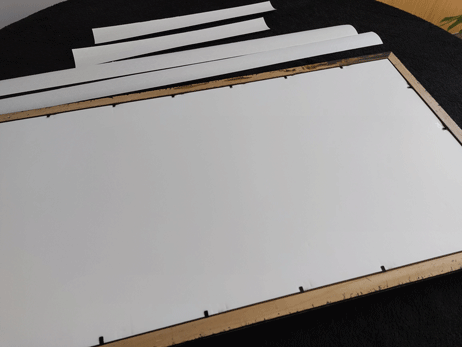
3. Lift and bend back the flexipoint nails using your fingers or a soft tool like a plastic bank card that will not scratch or puncture the backing board. Make sure to bend the nails all the way back so that you can take out the matboard and backing board easily.
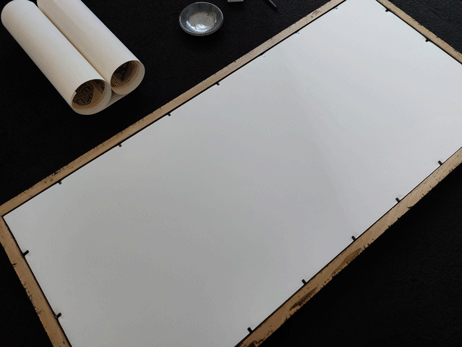
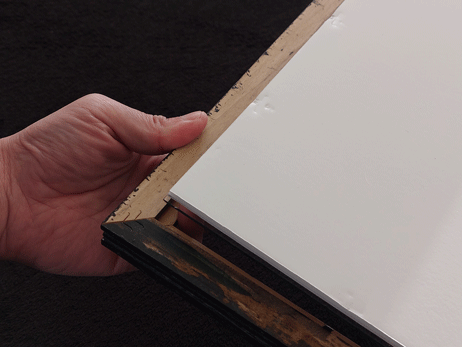
4. Take out the matboard and backing board (they are hinged together), by gently lifting the frame and tilting it on one side. From underneath, push the glazing slightly so you can access the matboard.
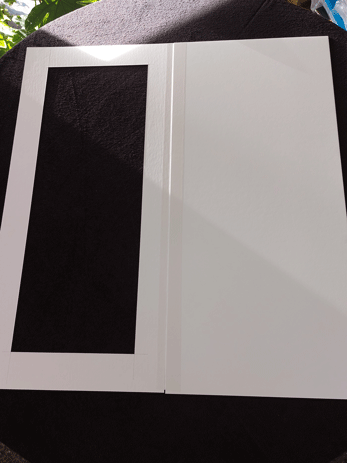
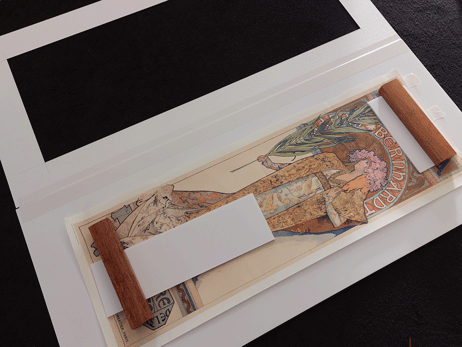
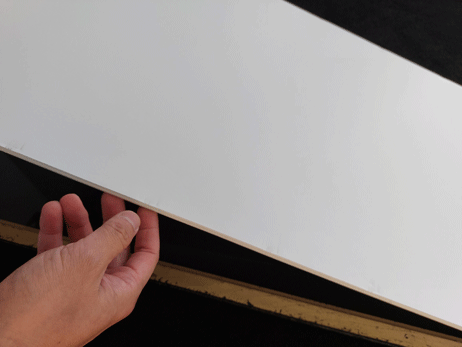
5. Place the matboard/backing board on a flat surface, and open it up like a book, with the matboard (the one with the window) on the left and the backing board on the right.
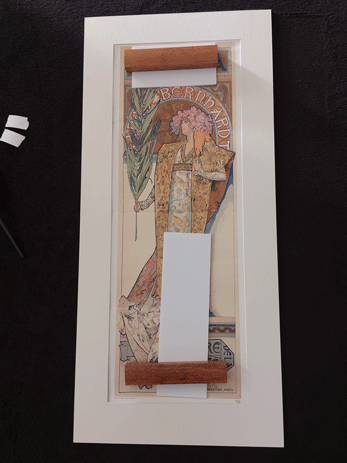
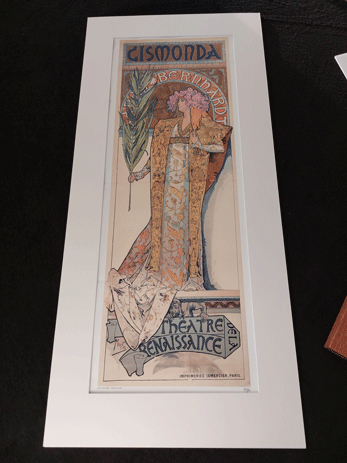
6. Take your artwork and place on top of the backing board and close the book. Position your artwork so that it’s centred in the mat window. Once you are happy with the position of the artwork, place some weights to hold the artwork in place.
7. Lift the matboard and ‘open the book’.
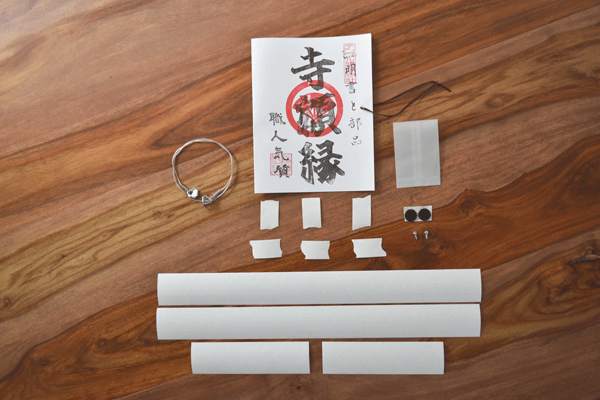
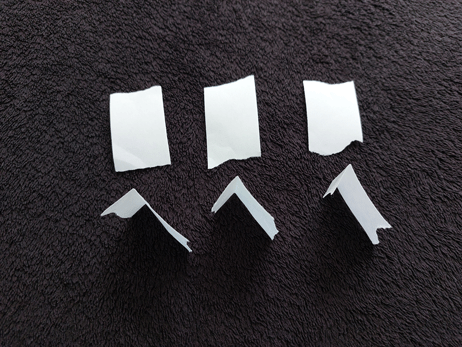
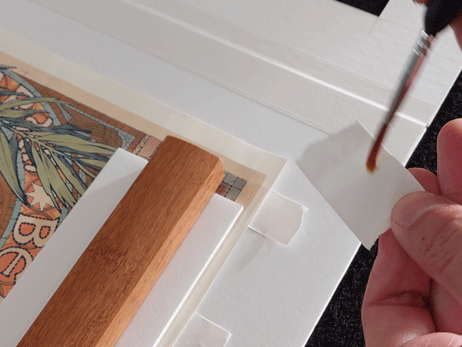
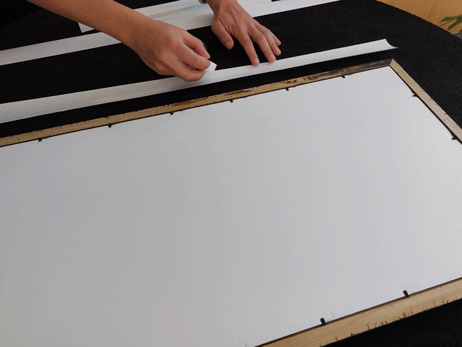
8. The next step will be attaching the hinges to your artwork. Take out the hinging tape that is the framing kit. You will find 3 folded and 3 straight strips of hinging tape that are torn rather than cut. Tearing hinging tape will ensure a feathered edge and make it less likely to be visible on the other side.
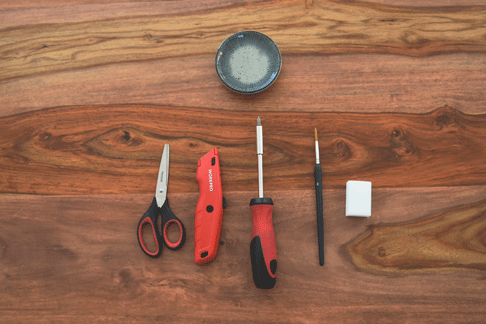
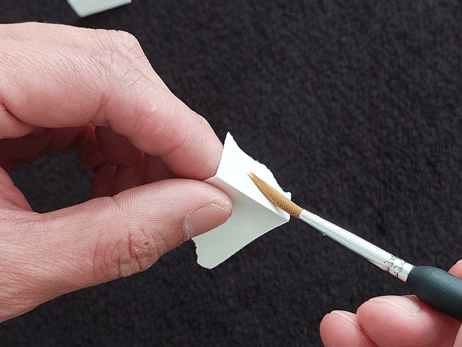
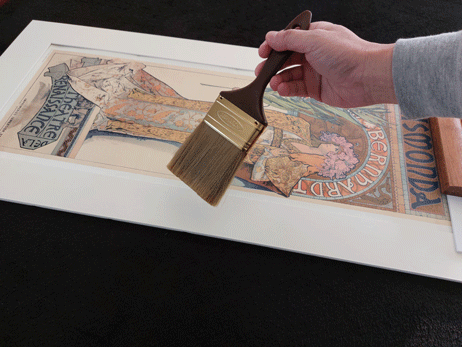
9. Using a brush, sponge or your finger, moisten about 5mm (the folded part) of the hinging tape with water and wait a for the adhesive to activate. Make sure to moisten the gummed side.
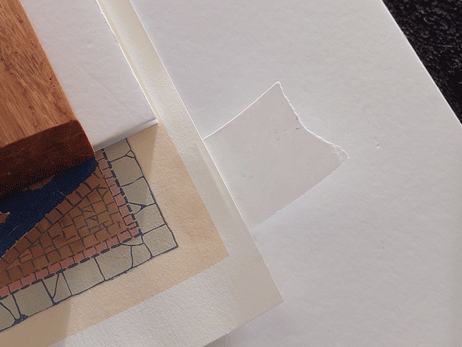
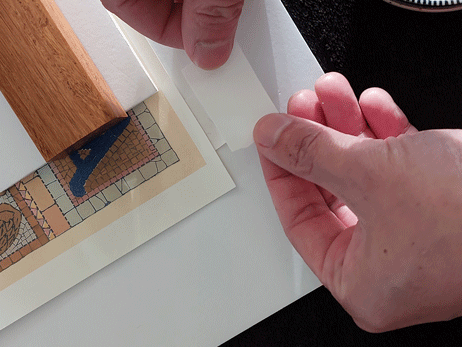
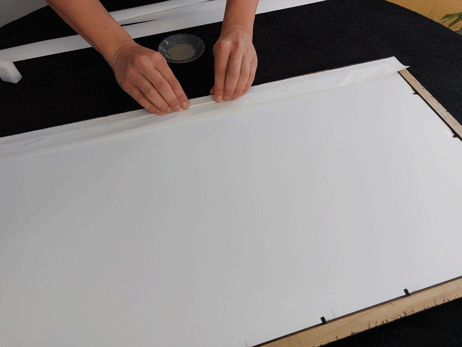
10. Lift one corner of your artwork and place sticky side of the hinging tape under your artwork. Place the first strip 3cm from the left edge of the artwork. Apply light pressure using your fingers and being mindful of not leaving an impression on the artwork.
11. Do the same to the other corner. If required, do one in the middle of your art (usually for bigger artwork)
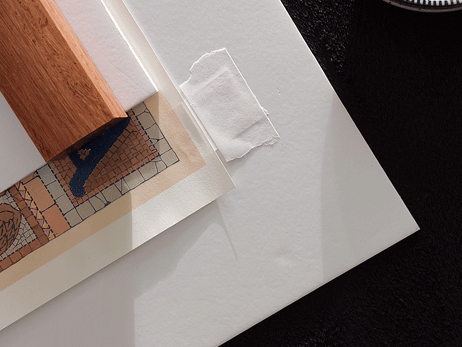
12. The next step will be to reinforce the hinges using a ‘T-hinge’. Moisten the last three strips. This time, moisten the strip the whole way. Wait a few seconds for the adhesive to activate and then place the tape with adhesive facing down on top of the first strip making a ‘T’ shape. Do the same thing for the remaining strips.
13. Once the artwork has been hinged. ‘Close the book’ and double check that the artwork is positioned the way you want. Wait a for a few minutes for the adhesive to set.
14. Remove any dust, hair or any unwanted matter before you seal your frame.
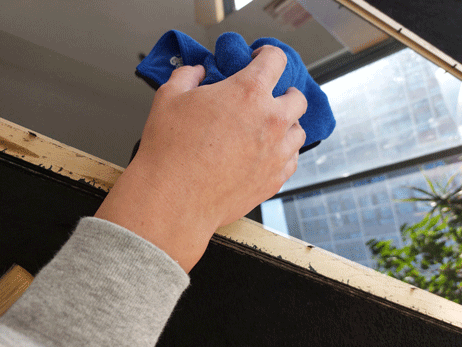
15. Wipe the glazing on both sides to remove dirt or fingerprints on the glazing.
16. Place the artwork, matboard and foamboard back into frame. Make sure that you are putting the artwork the right way up. The holes for the d-rings side of the frame will help you identify which way is up. The holes are always closer to the top of the frame.
17. Check one last time for finger prints and unwanted matter before pulling the flexipoint nails back into position. Pull the flexipoint nails back into position and ensure that they are all the way down and flat against the backing board.
STEP 2: Seal the back of your frame
Sealing your frame helps protect your artwork from humidity, air pollutants, dust and insects that can damage your artwork.
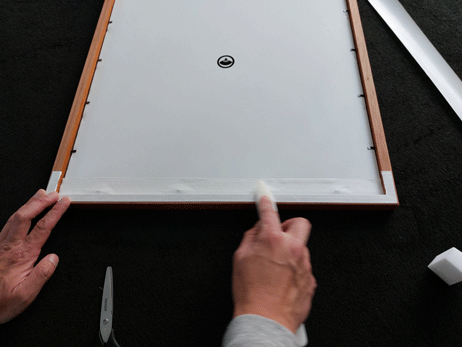
1.In your frame kit, you will find 4 x 48mm wide sealing tape strips. Two of the strips will be for the top and bottom of your frame and the other two will be for the left and right.
2. Use a brush, sponge or your finger to moisten the whole length of the first strip. Don’t make it too wet, just enough to make it sticky. Make sure you moisten the whole strip as it will ensure a tight seal. Wait a few seconds for the adhesive to activate.
3. Place the adhesive roughly about 2-4mm away from the edge of the frame, starting on one corner and finishing on the end corner.
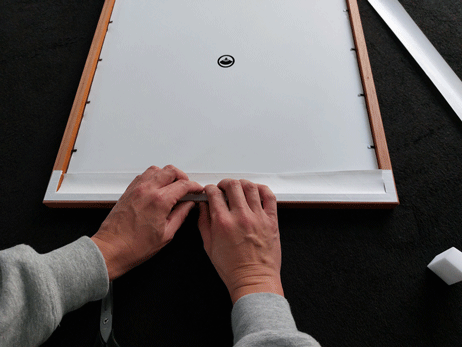
4. Crease the paper along the edge so that it is easier to fold. To avoid any creases or wrinkles smooth out the length of the tape by starting in the middle and moving outwardly towards the edges.
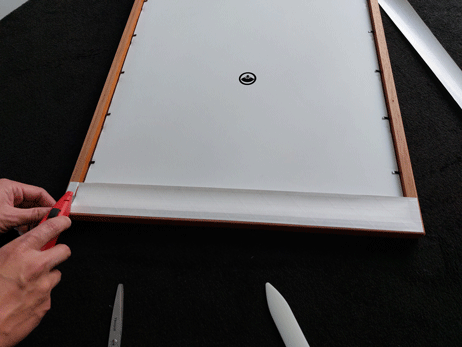
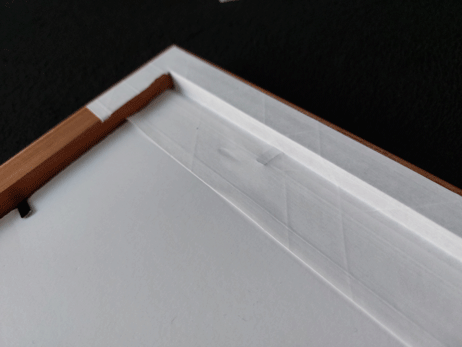
5. If the frame backing is level with the frame rebate you won’t need to make any cuts to the sealing tape. If your frame rebate is deeper and sits above the level of the backing board, you will need to use a utility knife or scissors to cut the sealing tape along the edge of the rebate on both sides.
6. With your fingers, push the tape into the rebate. To ensure a good seal, use a burnishing tool or your fingers to smooth out any creases. A good seal will adhere and make firm contact with all the contours of the frame back.
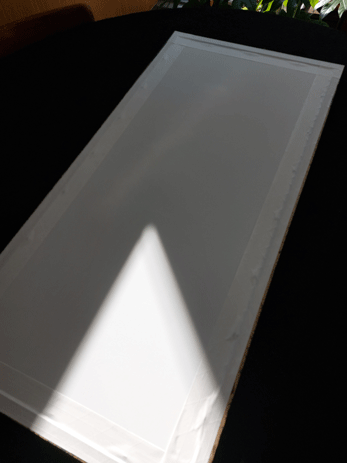
7. Repeat these steps on all four sides of the frame.
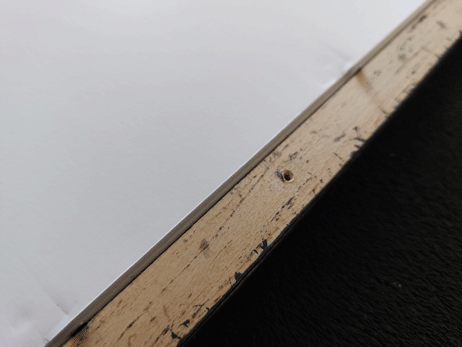
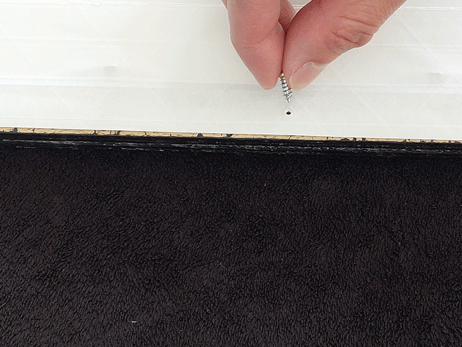
8. The sealing tape will cover the pre-drilled holes for the D-rings. You can use the screws in the framing kit to mark the spot where the holes are so you can locate the holes easily when it comes time to install the D-rings.
STEP 3: Attach D-rings and hanging wire
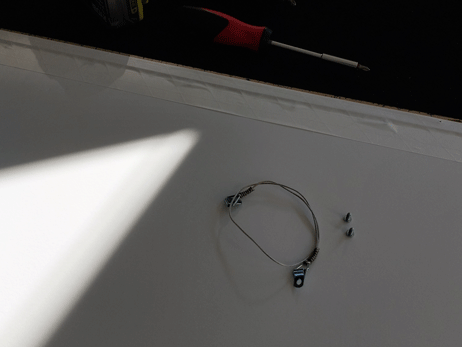
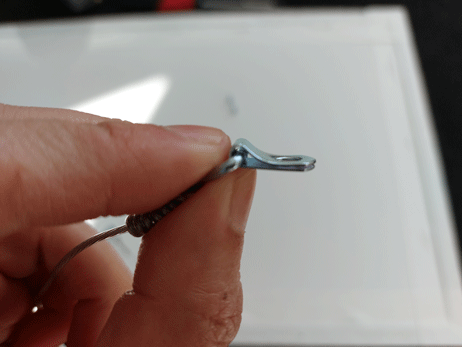
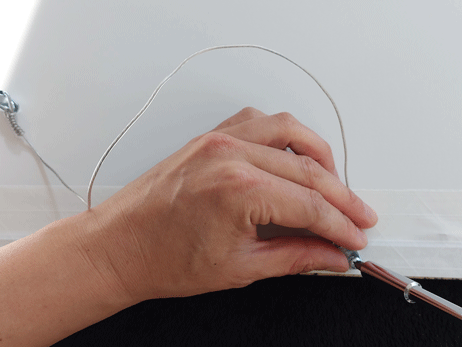
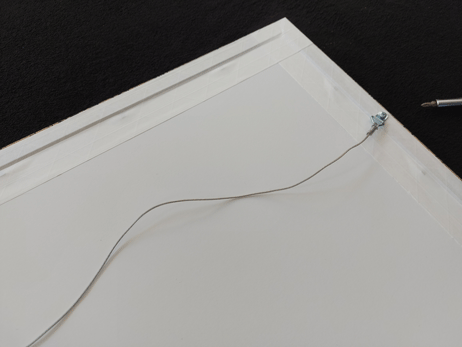
1. In your framing kit, the hanging wire is already tied to the D-rings, so all you will need to do is use a Phillips head screwdriver to screw the D-rings into the pre-drilled holes in the frame. The flat side of the D-ring should be in contact with the frame
STEP 4: Attach felt bumpers
Felt bumpers allow for air circulation to flow behind the frame. This helps prevent build up of moisture, mildew growth and frame damage. Additionally, it helps protect your walls from scratches and markings.
1. In your framing kit you will find two felt bumpers. Remove them from the backing sheet and place them on the bottom corners of your frame